
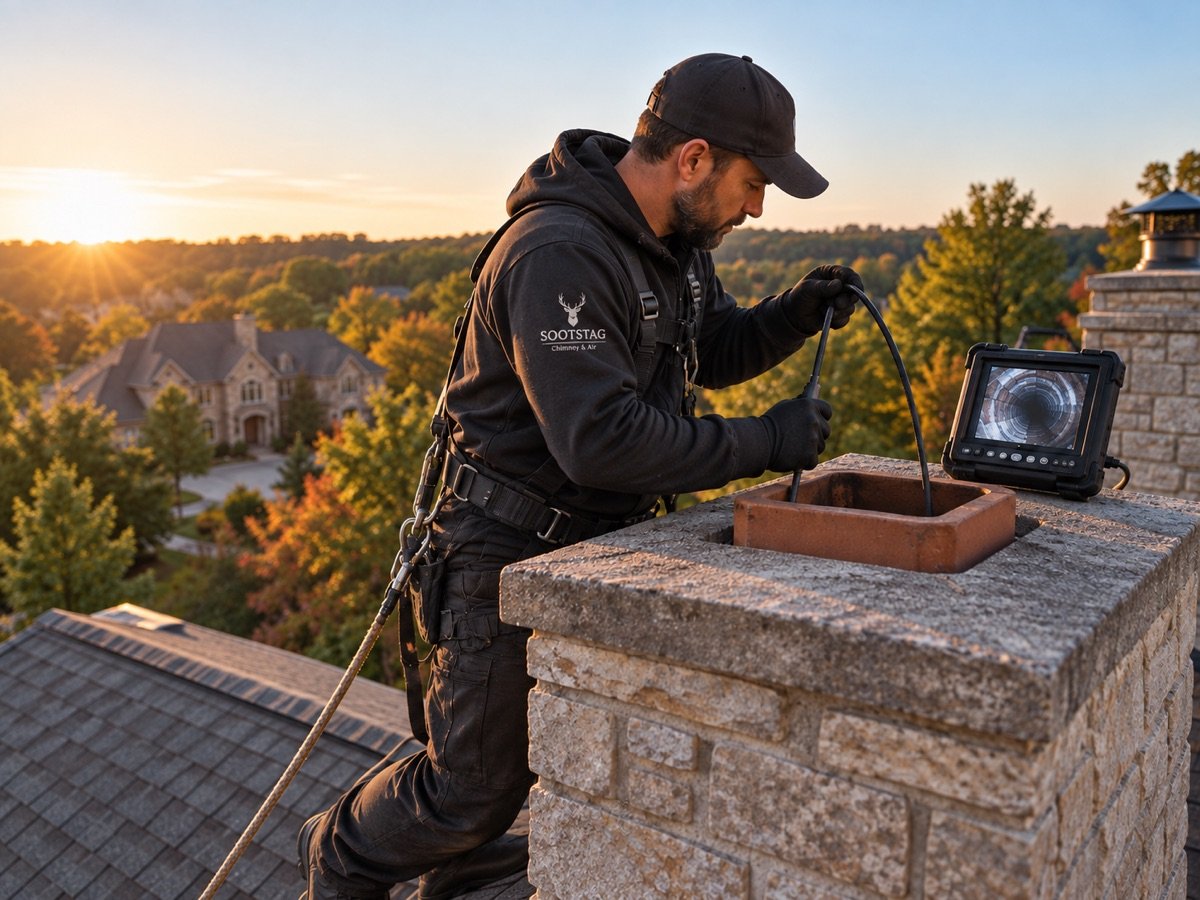
Chimney Inspection Levels: What 1, 2 and 3 Actually Cover
NFPA 211 defines three inspection levels. The difference between them is how much of the chimney is examined and how much has…

Chimney, air duct and dryer vent work across 10 places in Baltimore County. Baltimore County has a large stock of older row, semi-detached and detached housing, much of it with original masonry chimneys. Age is the defining factor: the structure carrying the deposit matters as much as the deposit.
Across a county with this much older row, semi-detached and detached housing, the structure carrying the deposit matters as much as the deposit. A stack shared between properties, a flue that has outlived two appliances, or a termination exposed to years of weather are all questions about condition rather than cleanliness.
Where to start
Where the house is older, establish what the flue has been through before deciding what to do with it. Where the property is rented or in a building, the dryer line is usually the thing working hardest. Near the water, expect moisture to be part of the picture.
Sweeping, inspection and creosote removal for fireplaces and flues.
Cleaning and inspection across supply, return and connected equipment.
All air duct servicesCleaning, inspection and obstruction removal along the vent line.
All dryer vent servicesThe city pages below lead variously with condition, access, moisture or heavier use, depending on what the housing in each actually tends to involve.
NFPA 211 defines three inspection levels. The difference between them is how much of the chimney is examined and how much has…
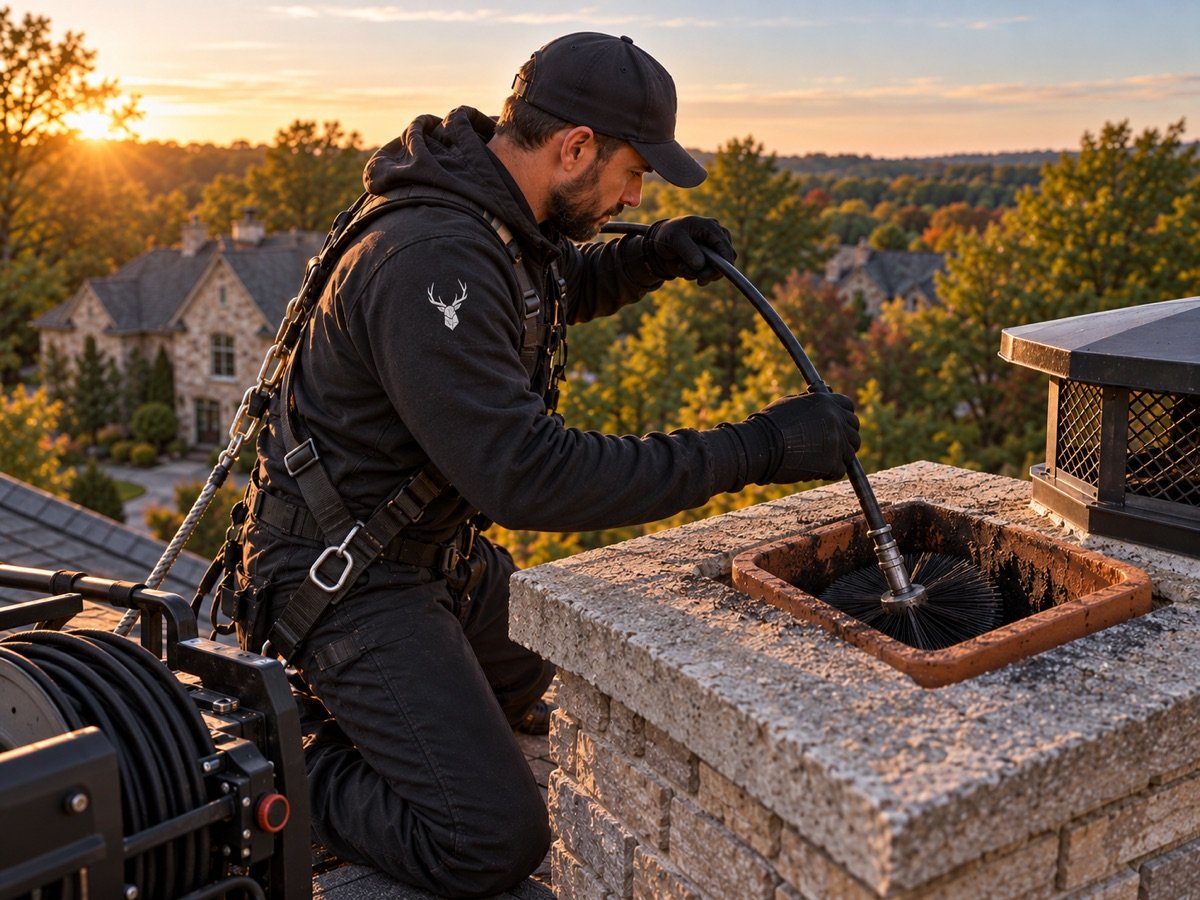
Creosote is not one substance. It forms in stages, and the stage it has reached decides whether a sweep will shift it…
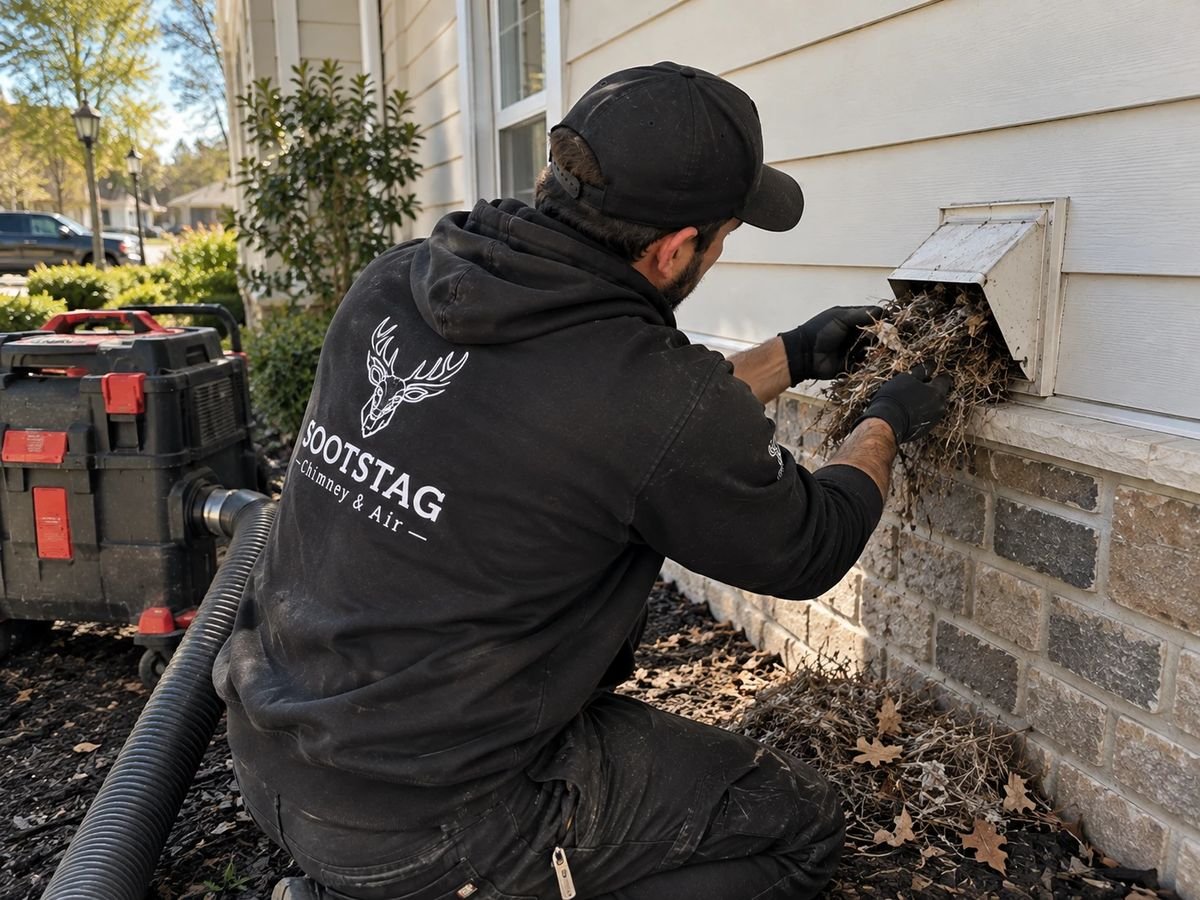
Longer drying times, a hot laundry room and a damper that no longer opens are all the same underlying problem. Here is…
Quick answer
Chimney, air duct and dryer vent work across 10 places in Baltimore County, for residential and commercial properties. Where the house is older, establish what the flue has been through before deciding what to do with it. Where the property is rented or in a building, the dryer line is usually the thing working hardest. Near the water, expect moisture to be part of the picture. Each of those places has its own page describing what the housing there usually involves, and coverage for a specific address is confirmed on the estimate request rather than assumed from the town name.
If your question isn't here, send it with an estimate request and we'll answer it directly.
The places listed on this page are the ones we publish. If your address is not one of them, send it with an estimate request and you get a confirmation rather than a guess.
The one for your own town, if it is listed. It describes what the building stock there usually involves, which is more useful than a county-wide summary. If your town is not listed, this page and an estimate request are the right route.
Yes. Multi-unit buildings and commercial installations are scoped the same way as a house — against the installation actually present, which in those buildings usually means shared runs and access that has to be arranged first.
Frequently. Describe everything you are noticing across the chimney, the ductwork and the dryer, and the scope comes back covering what actually needs doing rather than one system at a time.
Send the property type and the service you're after. You'll get a clear scope and a price — no obligation to book.